
Gamma pricing: $9 a month, and what the credits really buy
Gamma pricing in October 2026: Free, Plus $9, Pro $18, Ultra $90 and Business $40 a month billed yearly, plus what a deck costs in credits on my account.
Contents
Gamma pricing at a glance: what most people pay
For Gamma AI pricing, the short version is this: most people should start on Gamma’s Free plan and move to Plus at $9 a month, billed yearly, when the Made with Gamma badge on exports starts to matter. Pro at $18 is for people who publish Gamma sites or burn through credits, and Ultra at $90 is for heavy agent and video use.

| Plan | Price (US, billed yearly) | Per year | Credits | Who it suits |
|---|---|---|---|---|
| Free | $0 | $0 | 400 once, at signup | Trying Gamma, occasional decks |
| Plus | $9 per seat a month | $108 | 1,000 a month | Badge-free decks for work |
| Pro | $18 per seat a month | $216 | 4,000 a month | Sites, branding, heavy use |
| Ultra | $90 per seat a month | $1,080 | 20,000 a month | Top models, video, 100 domains |
| Business | $40 per member a month (yearly only) | $480 | 10,000 per seat, plus a shared pool | Teams that need SSO and training off |
| Enterprise | Custom | Custom | Custom | Large rollouts, sold through sales |
These are the prices on Gamma’s US pricing page, which I re-checked on 27 October 2026. The plan you pick decides two things: whether your exports carry Gamma’s badge, and how many credits you get to spend on the AI agent each month. The second one is where the real cost hides, so most of this guide is about credits.
How Gamma’s pricing works: seats, plans and credits
Gamma charges in two currencies at once: dollars for the plan, and credits for the AI.
The dollars are simple. Every plan is priced per seat, so each member who joins your workspace on Plus, Pro or Ultra is billed as a new seat when they accept the invite. Guests do not take up paid seats. Business is bought as a block of seats up front. The pricing page opens on yearly billing and says yearly saves “up to 28%” against paying month to month.
The credits are where it gets interesting. Gamma’s pricing page says paid plans include “Unlimited AI creations”, but the footnote right under it says premium features, which it lists as the agent, advanced models and the API, “require credits”. Since Gamma 5 launched on 6 October 2026, the agent is the default way to make a deck: you type a brief, it writes a plan, and you click Generate. So in practice, most of what you do on any plan spends credits.
Gamma does not publish a fixed price per deck. Its help center says creation is metered per slide and per image, that failed actions are free and that undo does not give credits back. Its API pricing page, which says the app follows the same rules, gives ranges: 1 to 3 credits per card depending on the text model, and 2 to 15 credits per image on the Standard image tier, rising to 30 to 125 per image on the Ultra tier.
| What you generate | Credits each (Gamma’s API price list) |
|---|---|
| A card (slide) | 1 to 3, depending on the text model |
| Image, Standard tier | 2 to 15 |
| Image, Advanced tier | 20 to 33 |
| Image, Premium tier | 34 to 75 |
| Image, Ultra tier | 30 to 125 |
Gamma’s own worked example on that page puts 10 cards with 5 basic images at about 20 to 60 credits, and 30 cards with 30 Ultra-tier images at about 930 to 3,900. It also warns that consumption rates “are subject to change”.
Ranges are hard to plan around, so I measured it.
What a deck really costs in credits: my test
I ran the same brief through Gamma’s agent at two effort settings on a free account and watched the credit counter after each step.
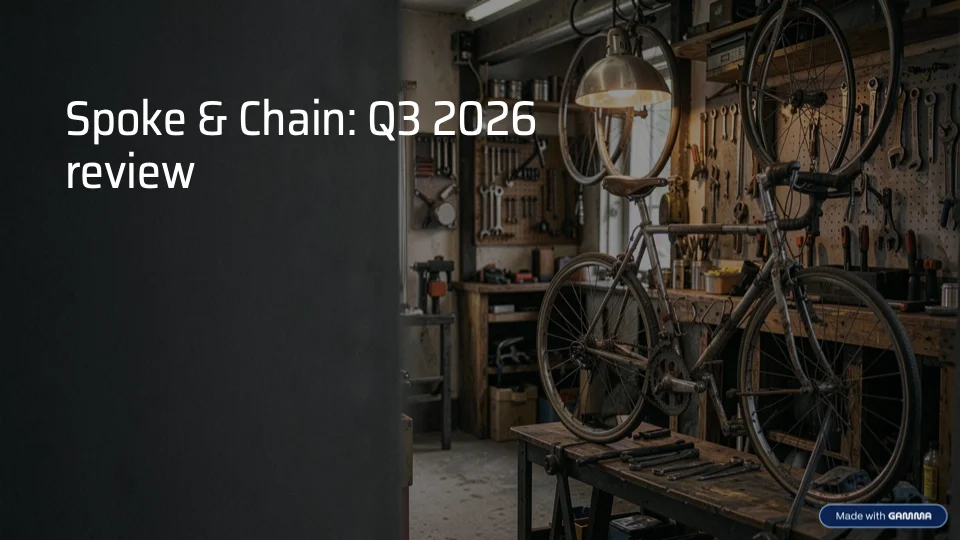
The brief asked for an eight-slide quarterly review for a small bike-repair shop, with nine facts and an instruction not to invent any other numbers. On 25 October, for my Gamma review, I ran it at the Lite effort setting. On 27 October I ran it again at Standard, then asked the image agent for three illustrations.
| Action | Effort | Credits used | Balance after |
|---|---|---|---|
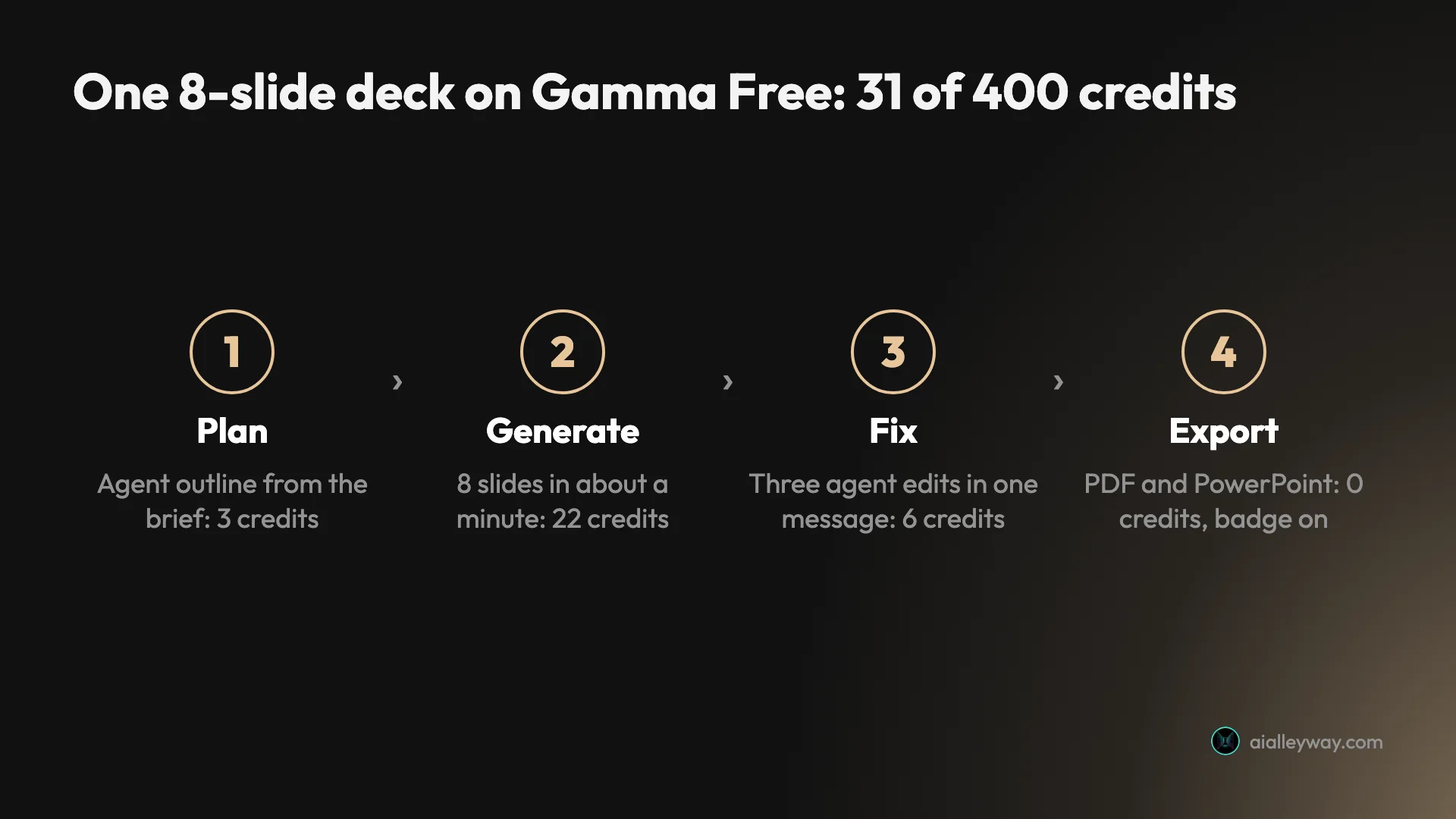
| Agent’s 8-slide plan | Lite | 3 | 397 |
| Generate the 8-slide deck | Lite | 22 | 375 |
| One edit message (three fixes) | Lite | 6 | 369 |
| Agent’s 8-slide plan | Standard | 17 | 352 |
| Generate the 8-slide deck | Standard | 39 | 313 |
| Three square images | Standard | 41 | 272 |
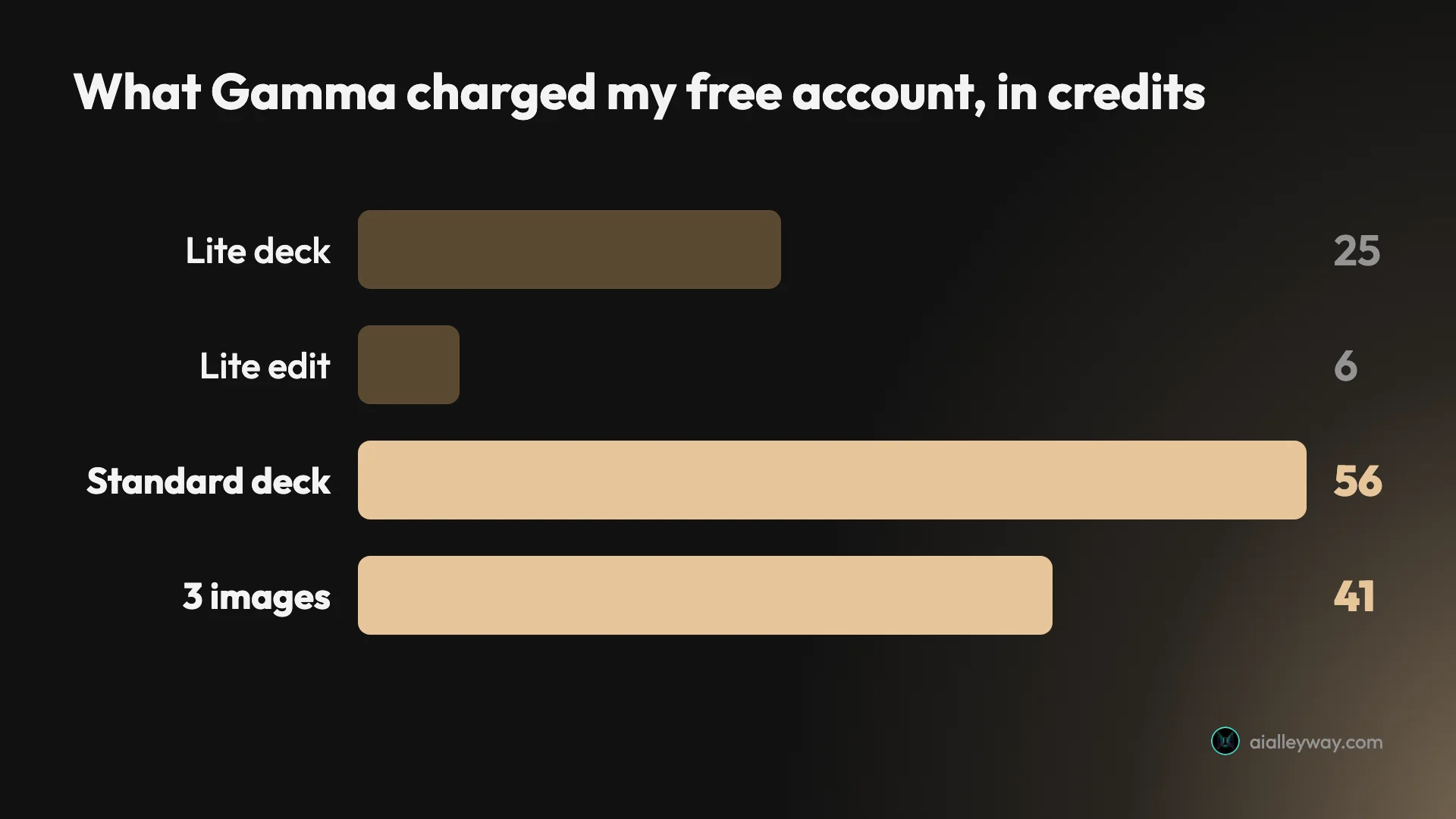
The headline is the effort setting. The same eight slides from the same brief cost 25 credits at Lite and 56 at Standard, more than twice as much. The plan step alone jumped from 3 credits to 17. Both decks kept every number from the brief, and each took about a minute to generate. The Standard run added one small line I had not asked for, “Steady demand from local riders”, with no number attached.
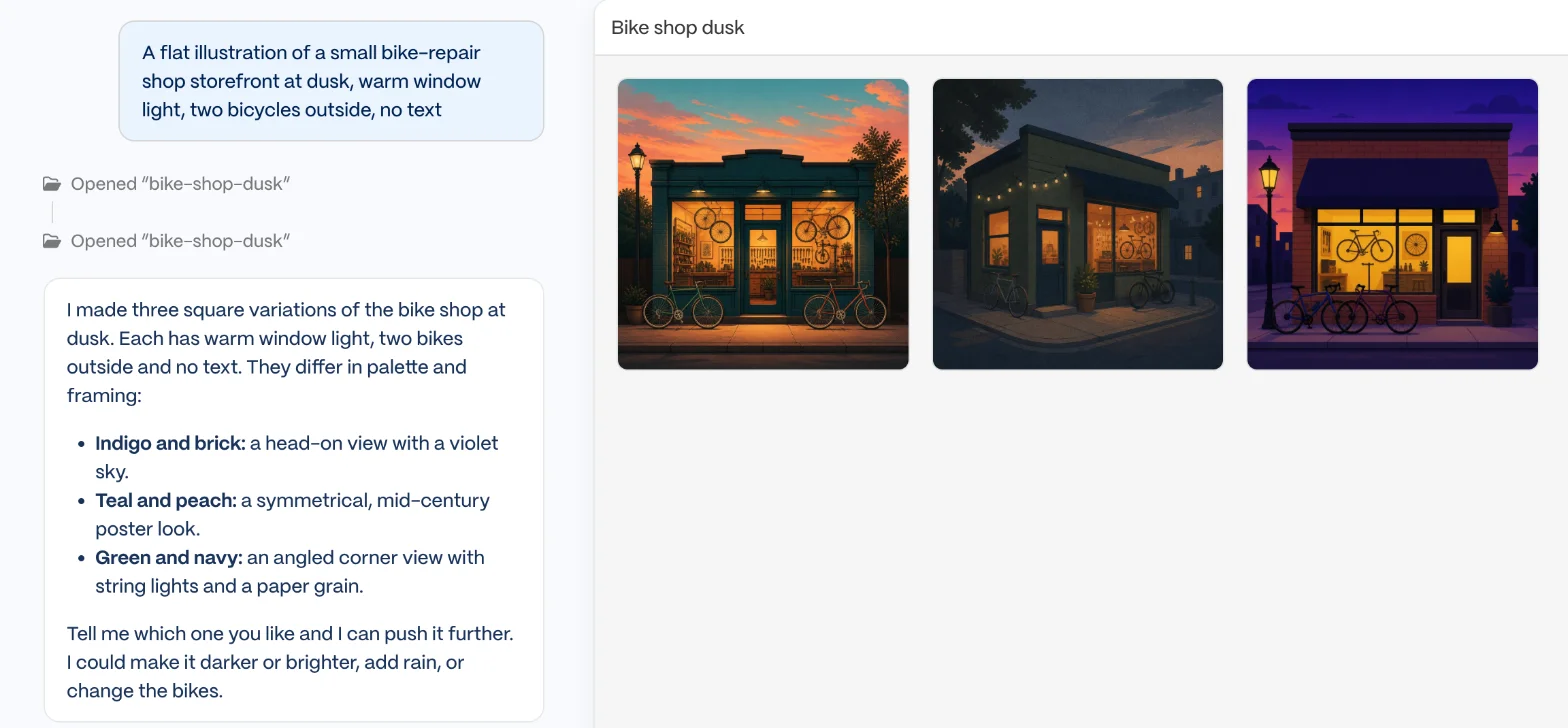
Images are the other big spender. Three variations of a bike-shop storefront at dusk cost 41 credits, about 14 each, which sits at the top of Gamma’s published 2 to 15 range for its Standard image tier.
Where the effort setting lives
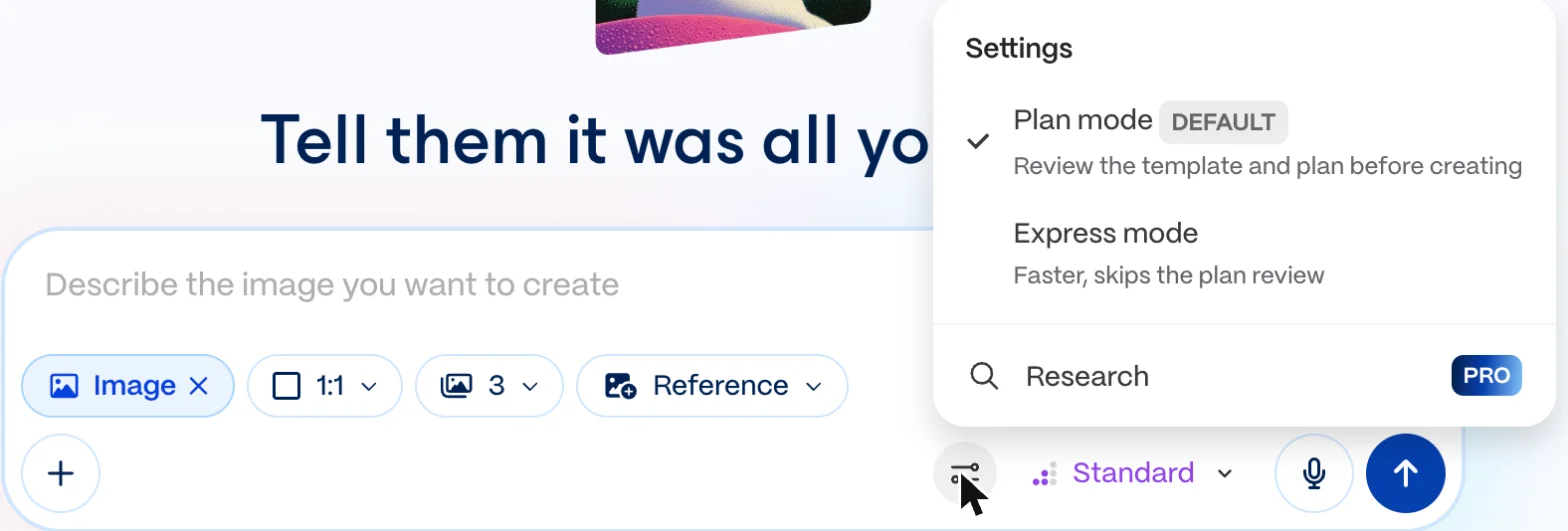
The effort picker sits next to the send button on Gamma’s home screen. It offers Lite (“Basic effort for simple work”), Standard (“Balanced effort for regular work”) and Max, which carries a Pro badge. Its footer says, plainly, “Higher effort uses more credits”. It does not say how many more, which is why the test above is worth having.
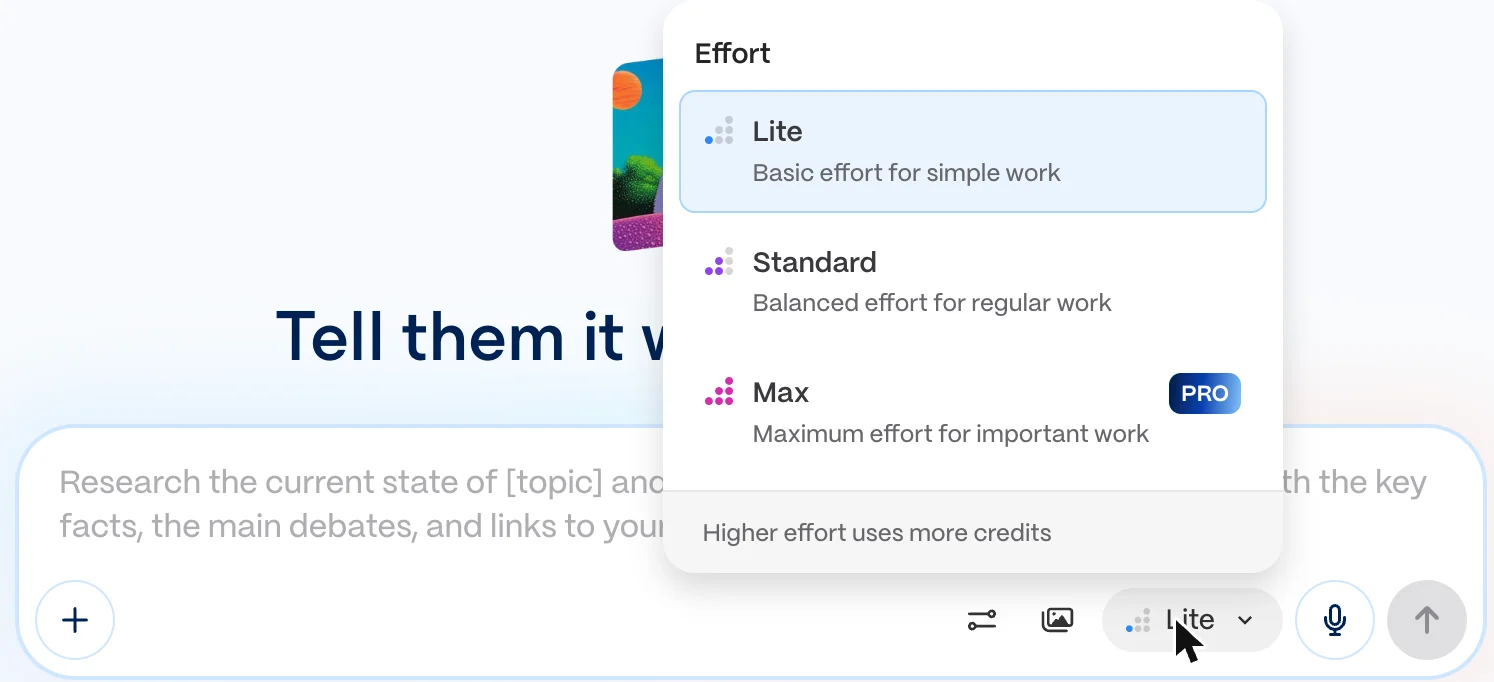
The same panel holds Gamma’s other paid gate. Plan mode, which writes an outline you approve first, is the default; Express mode skips it. Research, which pulls in web sources, is marked Pro.
Gamma Free: what $0 gets you
Free is a real plan, not a trial, but it is a one-time allowance rather than a monthly one.
You get 400 credits at signup and they never refill. Gamma caps free decks at 10 slides per prompt, and free exports to PDF and PowerPoint carry a Made with Gamma badge: on every slide’s layout in PowerPoint, and in the corner of the PDF. Free still includes PDF and PowerPoint import and export to PDF, PowerPoint, PNG and Google Slides, and exporting cost me no credits at all.
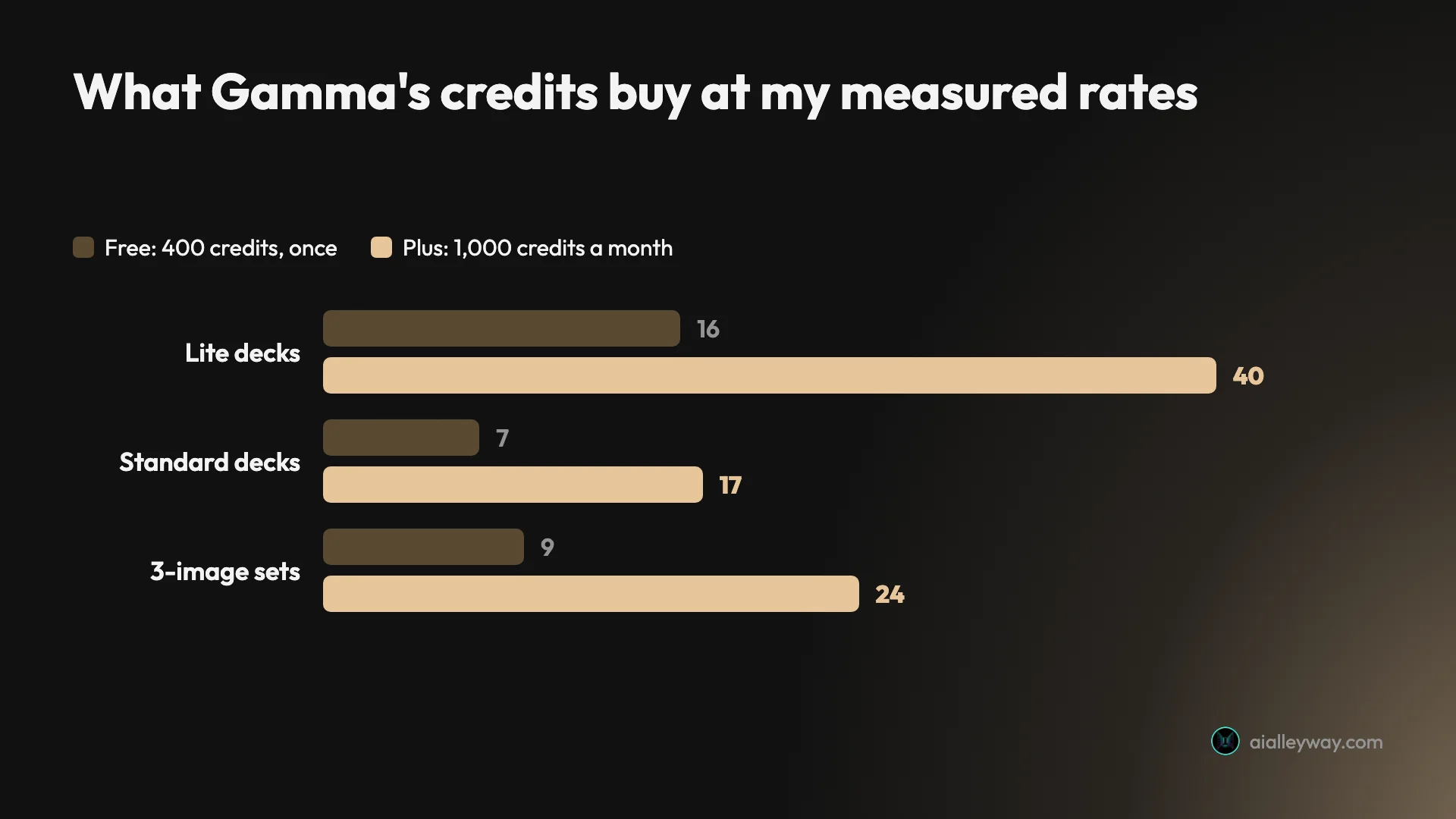
At my measured rates, 400 credits buy about 16 eight-slide decks at Lite or 7 at Standard. That sounds generous until you add images and edits. My two test decks, one edit and three images used 128 credits, nearly a third of the allowance, in two short sessions. One user on Gamma’s own subreddit wrote that they “burned the free 400 credits in about three weeks”.
Two more limits matter. Free users cannot buy extra credits; the only top-up is Gamma’s referral scheme, which its help center puts at 200 credits per sign-up. And a free account can hold at most 2,000 credits at once, so referrals cannot stockpile forever.
Gamma Plus: $9 a month for a badge-free deck
Plus is the plan most individual buyers need, and the badge is the reason.
At $9 per seat a month billed yearly, or $108 a year, Plus removes Gamma’s branding from exports, raises the cap from 10 to 100 slides per prompt, adds Gamma’s advanced image models and adds 1,000 credits every month. At my measured rates that is about 40 Lite decks or 17 Standard decks a month, before images.
That is plenty for someone who makes a few decks a week. It runs short if you lean on Standard effort and generate images for every slide, because a ten-slide deck with a fresh image on each slide can cost more than a hundred credits on its own.
Gamma Pro: $18 a month for publishers
Pro doubles the price and quadruples the credits.
At $18 per seat a month billed yearly ($216 a year), Pro adds 4,000 monthly credits, Gamma’s premium image models, custom branding, detailed analytics and up to 10 custom domains for published Gamma sites. It also opens up the Max effort setting and the agent’s Research mode, which my free account showed as Pro-only.
Credit for credit, Pro is the better deal: $216 buys 48,000 credits a year, about half a cent each, while Plus works out at nearly a cent. If you regularly top up Plus, Pro is probably cheaper. If you mostly need the badge gone, Plus is enough.
Gamma Ultra: $90 a month for the top models
Ultra costs five times Pro and brings 20,000 monthly credits, also five times Pro’s 4,000.
It is for heavy users of Gamma’s most expensive features: what Gamma calls the most advanced text, image and video models, up to 100 custom domains and early access to new features. Ultra-tier images cost 30 to 125 credits each on Gamma’s API price list, so Ultra’s allowance goes faster than the headline number suggests. Per credit it costs the same as Pro.
Business and Enterprise: priced per member
Teams have two options, and only one has a public price.
Business costs $40 per member a month and is sold yearly only, so a seat is $480 a year. Each seat gets 10,000 credits a month, and the workspace can share a pool of extra credits. It adds SSO, up to 100 custom domains and, most importantly for many companies, Gamma’s guarantee that content on Business is never used to train its AI. Enterprise is sold through sales with a custom annual agreement.
Gamma’s refund table and pricing FAQ still mention an older Team plan, but the pricing page no longer lists it and no Gamma page I could find gives its price. If you already have Team, it is a legacy plan.
Monthly vs yearly billing
Yearly is the price Gamma shows you first, and month to month costs more.
Gamma’s pricing page says yearly billing saves “up to 28%”. Its page opens on yearly prices, and I could not confirm the month-to-month prices from a Gamma page, so I am not quoting them as fact. Here is what the 28% means in practice: if Pro gets the full saving, its $18 yearly rate would be $25 month to month.
For context, Gamma has raised prices before. A February 2025 copy of its upgrade help article, saved by the Wayback Machine, listed Plus at $8 a month billed yearly and Pro at $15. Both are higher today. In between, in October 2025, Gamma moved to credits and launched Ultra.
Gamma’s help center says monthly billing exists for Plus and Pro. Annual plans still release credits monthly, not all at once, so paying yearly does not give you a year of credits on day one.
What happens when you run out of credits
Running dry works differently on Free and on paid plans.
On Free, nothing more can be bought. Once the 400 signup credits are gone, the AI features stop until you upgrade or earn referral credits. Failed AI actions are not charged, and clarifying questions from the agent are free, so a run that errors out does not eat into the balance.
On a paid plan you can top up at $6 per 1,500 credits, bought in blocks of 1,500. Gamma’s credits help article says auto-recharge is set per member on individual plans, one-time purchases work only in single-user workspaces, and on Business purchased credits go into the shared pool. Purchased credits do not count toward the rollover cap.
Gamma has no per-deck usage history yet, so the only way to see what something cost is to watch the counter before and after, which is what I did.
Three worked budgets
My measured rates turn into real plans quickly. These are estimates built from my test numbers, not Gamma’s.
A student making ten short decks a term. At Lite effort with no extra images, ten eight-slide decks come to about 250 credits. The Free plan’s 400 covers that with room for a few edits, as long as the badge on exports is acceptable.
A consultant sending eight client decks a month. At Standard effort with five fresh images per deck, each deck costs about 56 credits plus roughly 70 for images, so about 125. Eight of them use about 1,000 credits, which is all of Plus’s monthly allowance. Pro’s 4,000 gives real headroom for $9 more a month, billed yearly.
A five-person marketing team. Five Plus seats cost $540 a year and give each person 1,000 credits a month. If the team handles client material and wants training off, Business costs $2,400 a year for the same five people, with 10,000 credits each.
What a year of Gamma really costs
The sticker price is per seat, so headcount matters more than the plan name.
| Who | Plan | Yearly cost |
|---|---|---|
| One person, badge-free decks | Plus | $108 |
| One person who publishes sites | Pro | $216 |
| A team of five, individual plans | Plus × 5 seats | $540 |
| A team of five that needs SSO and training off | Business × 5 | $2,400 |
| One heavy user of top models | Ultra | $1,080 |
Credits can add to that. Extra credits cost $6 per 1,500 on any paid plan, which is 0.4 cents each, slightly cheaper per credit than Pro’s allowance. At that rate my Lite deck cost about 10 cents in credits and my Standard deck about 22 cents. Purchased credits never expire while you stay subscribed, and they expire a year after you cancel.
Billing rules that catch people out
Most of Gamma’s surprises are in the help center rather than on the pricing page.
| Rule | What Gamma says | Why it matters |
|---|---|---|
| “Unlimited AI creations” | Agent, advanced models and API require credits | The default way to create spends credits |
| Refund window | 3 days, with a credit-usage cap | Four Standard decks can void a Plus refund |
| Training | On by default on individual plans | Opt out in settings, or pay for Business |
| Cancelling | Plan credits reset to 400 | Unused plan credits above 400 are gone |
| Upgrades and downgrades | Upgrades bill now, downgrades wait | A yearly plan stays paid for the year |
| Ultra billing | A help article says monthly only | The pricing page shows a yearly price |
“Unlimited” does not mean free of credits
Gamma’s pricing page puts “Unlimited AI creations” on every paid plan, then adds that the agent, advanced models and the API “require credits”. Since Gamma 5 made the agent the default way to start a deck, that footnote covers most of what you will actually do. Plan your budget in credits, not decks.
The refund window is three days, with a cap
Gamma’s refund policy allows a full refund within three days of subscribing, monthly or yearly, but only if you have used fewer than 200 credits on Plus, 600 on Pro, 1,000 on Business or 2,000 on Ultra. My Standard deck cost 56 credits, so four of them would take a new Plus subscriber past the cap. Test on the free plan before you pay.
Training on your decks is on by default
On Free, Plus, Pro and Ultra, Gamma’s help center says your content is allowed to be used to train its AI models by default, and you can opt out in your data settings. On Business, Enterprise and Team plans training is always off and the setting is locked. If you put client work into Gamma, either flip the switch or budget for Business.
Cancelling resets your credits
If you cancel, Gamma keeps you on the paid plan until the end of the period, then drops you to Free with plan credits reset to 400. Downgrading trims your plan credits to the new plan’s cap. Purchased credits are separate and last a year after cancellation.
Upgrades bill now, downgrades wait
Gamma’s help center says an upgrade charges the prorated difference and takes effect immediately, while a downgrade waits until the end of the current period. On a yearly plan that means you keep, and pay for, the higher plan for the rest of the year. Gamma also says you cannot prepay extra months.
A help article contradicts the pricing page on Ultra
Gamma’s upgrade help article still says Ultra is only available monthly at an introductory price, while the pricing page lists Ultra at $1,080 a year billed yearly. Trust the checkout page over the article, and check which billing period you are on before you pay.
Choosing a Gamma plan by how you work
- Stay on Free if you make a deck now and then and can live with the badge. Use Lite effort, skip AI images you do not need, and the 400 credits stretch to a dozen or more decks.
- Pick Plus if your decks go to clients, managers or a bank, and the badge would look wrong. At $108 a year it is the cheapest way to remove it.
- Pick Pro if you publish Gamma pages as websites, want custom branding and analytics, or keep buying top-ups on Plus.
- Pick Business if you are a team putting confidential material into Gamma and need training switched off for good, plus SSO.
- Looking for a student plan? Gamma has none. I found no student, teacher or nonprofit discount in its help center, and the Education link on the pricing page leads to free courses. The only documented discount is a promo code on a first paid subscription, so students are best served by Free.
- Skip Ultra unless you have a specific need for Gamma’s top text, image and video models. For decks alone, Pro’s credits go a long way.
If you are unsure, do what I did: run one real deck on the free plan at Lite and at Standard, compare the two, and see which effort level you actually need before choosing a plan.
Cheaper options if the credits add up
Gamma is not the only way to get an AI-made deck, and the alternatives price differently.
- Canva. Canva’s free plan includes presentations, and Canva Pro costs $144 a year in the US for one person. The Canva pricing guide has the full breakdown, including the separate AI add-on. It suits people who already design in Canva and want slides in the same place.
- Beautiful.ai. There is no free plan, only a 14-day trial that asks for a card, and Pro costs $14.50 a month billed yearly ($174). Its design is tighter than Gamma’s, but in my Beautiful.ai review it invented a revenue figure. The Gamma vs Beautiful.ai comparison puts the two side by side.
- ChatGPT. Its free plan can make a PowerPoint file from a prompt, though my free account made one deck and then hit a limit for the day. The ChatGPT PowerPoint guide covers the free and paid routes.
For seven alternatives with prices and free plans side by side, see our Gamma alternatives roundup.
Final word
Gamma’s prices are fair, and the credits are what decide your bill. Plus at $9 a month billed yearly is the right plan for most people who need badge-free decks, and the free plan’s 400 credits are enough to find out whether you need it.
The most useful thing I learned is that the effort setting matters more than the plan. The same eight slides cost 25 credits at Lite and 56 at Standard, with no difference in accuracy. Start on Lite, move up only when a deck needs it, and your credits will last more than twice as long.
Frequently asked questions
How much does Gamma cost?
On Gamma's US pricing page in October 2026, which opens on yearly billing, Plus costs $9 per seat a month ($108 a year), Pro costs $18 ($216 a year) and Ultra costs $90 ($1,080 a year). Business costs $40 per member a month and is sold yearly only, and Enterprise is priced by quote. The Free plan costs nothing and comes with 400 credits once, at signup.
Paying month to month costs more. Gamma says yearly billing saves up to 28%, but its page only shows the yearly figures by default and I could not confirm the monthly prices from a Gamma page, so I have not quoted them. If Pro gets the full 28% saving, its monthly price would be $25. Extra credits cost $6 for 1,500 on any paid plan, and seats are billed per person.
Is Gamma AI free?
Yes. Gamma's Free plan costs $0, needs no card and has no time limit. It gives you 400 credits once, at signup, and they never refill. Free decks are capped at 10 slides per prompt, and PDF and PowerPoint exports carry a Made with Gamma badge.
On my free account an 8-slide deck built by Gamma's agent cost 25 credits at the Lite effort setting and 56 at Standard, so 400 credits cover about 16 Lite decks or 7 Standard ones. Three AI images at Standard cost 41 credits. When the credits run out, free users cannot buy more; the only way to keep using the AI features is to upgrade or earn referral credits, which Gamma says are 200 per sign-up.
How do Gamma credits work?
Credits pay for Gamma's AI. Gamma's API pricing page, which says the app follows the same rules, puts cards at 1 to 3 credits each and images at 2 to 15 credits on the Standard image tier, rising to 30 to 125 credits on the Ultra tier. The agent's effort setting also changes the price: my 8-slide deck cost 25 credits at Lite and 56 at Standard.
Paid plans refill every month: 1,000 credits on Plus, 4,000 on Pro, 20,000 on Ultra and 10,000 per seat on Business. Unused plan credits roll over up to double the monthly amount. Failed AI actions are free, but undo does not refund credits. Extra credits cost $6 per 1,500 and never expire while you stay subscribed.
Does Gamma have a student or education discount?
Not that I could find. Gamma's help center has no student, teacher, school or nonprofit discount article, and the Education link in its pricing page footer leads to Gamma's free course site rather than a discount. The only discount mechanism Gamma documents is a promo code applied to a first paid subscription.
For most students the Free plan is the realistic option. Its 400 credits cover roughly 16 short decks at the Lite effort setting, which is enough for a term of class presentations if you keep decks short and do the polishing by hand. If you need the Made with Gamma badge removed from exports, Plus is the cheapest plan that does it, at $9 a month billed yearly.
Can I get a refund from Gamma?
Only quickly, and only if you have barely used the plan. Gamma's refund policy, in effect since 1 December 2025, allows a full refund within the first three days of subscribing, on monthly and yearly plans alike, if you ask support and your credit usage is under a cap: 200 credits on Plus, 600 on Pro, 1,000 on Business and 2,000 on Ultra.
After three days Gamma issues no refunds except where the law requires one. If you cancel, you keep the paid plan until the end of the billing period, then drop to Free, and your plan credits reset to 400. A Standard-effort deck like mine costs 56 credits, so four of them already put you past the Plus cap.
Keep reading
Gamma AI review: 8 accurate slides in a minute, then the fixes
A hands-on Gamma AI review: an 8-slide deck in a minute with every number right, a footer bug, a chart that exports as a picture, and what Plus costs.

Gamma vs Beautiful.ai: one kept my facts, one looked better
Gamma vs Beautiful.ai, tested with the same nine-fact brief: which kept the numbers, which made the better-looking deck, which costs less, which trains on you.
Beautiful.ai review: polished slides, invented numbers
A hands-on Beautiful.ai review: eight Smart Slides in 30 seconds, then a made-up revenue bar, a Steve Jobs quote and a misplaced address. Prices and verdict.
Canva Pro Price: $144 a Year, and What Canva Leaves Out
Canva Pro price in the US: $18 a month or $144 a year. Business is $25 per person. Plus the $100 AI Pass, seat billing and the refund rule, all sourced.
Gamma alternatives: 7 worth trying, and the one that's dead
The best Gamma alternatives, two run against Gamma on one nine-fact deck: Beautiful.ai invented numbers, ChatGPT kept them. Prices, free plans and when to stay.

ChatGPT PowerPoint: it made my deck free, then locked me out
Can ChatGPT make a PowerPoint? My free account got an 8-slide .pptx in a minute, then hit a limit. The add-in, ChatGPT Slides and Copilot, compared.